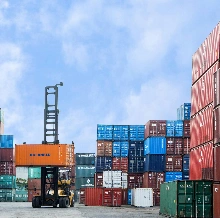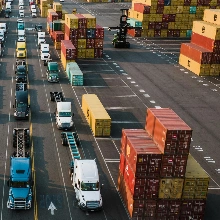
International logistics is the full system behind moving goods from one country to another—planning the route, booking transport, preparing trade documents, clearing customs, protecting cargo, and controlling cost until final delivery. If you only focus on the headline freight rate, you’ll keep leaking margin in the places that don’t show up on the first quote: documentation errors, clearance holds, storage, demurrage and detention, and claim failures.
The real workflow (from quote to delivery)
Most cross-border shipments follow the same backbone:
- Define the shipment profile
- Choose the freight mode and routing
- Align responsibilities and risk (Incoterms)
- Prepare trade documentation
- Clear customs (export and import)
- Manage warehousing, distribution, and last-mile delivery
- Protect the cargo (insurance, handling, and claims readiness)
- Control operational costs (cut-offs, free time, port/terminal charges)
1) Start with the shipment profile (this drives everything)
Before you request quotes or choose a route, lock the basics. Most expensive mistakes come from vague cargo data, inconsistent weights, or unclear commodity descriptions.
At minimum, define:
- Commodity name and use case (clear, specific descriptions)
- HS code logic (classification drives duty and clearance rules)
- Value, currency, and sale terms
- Gross weight, dimensions, and carton/pallet counts
- Packaging type (cartons, crates, pallets, drums)
- Origin pickup point and destination delivery point
- Handling needs (fragile, temperature-controlled, hazardous goods)
- Delivery window (what “on time” actually means)
2) Choose the right freight mode: speed vs cost vs reliability
Air freight, ocean freight, and multimodal shipping are not interchangeable. The “best” choice depends on cargo value, urgency, volume, seasonality, and your tolerance for disruption. If you want a practical comparison and decision framework, read air vs ocean vs multimodal shipping.
When air freight usually makes sense
High-value or time-critical goods, spare parts, medical items, or inventory that will cost more if it arrives late than if it ships faster.
When ocean freight usually makes sense
Heavy cargo, higher volumes, replenishment stock, and shipments where lower cost per unit matters more than speed.
When multimodal is a smart middle
When inland legs require road/rail anyway, or when you want better cost control than air but tighter planning than pure sea moves.
3) Align responsibilities and risk with Incoterms
Incoterms determine who pays, who controls the main carriage, and where risk transfers. Many “surprise charges” happen when the buyer assumes the seller is responsible (or the other way around). If you want a clear breakdown with real-world implications, use Incoterms for shippers and buyers.
Get this right early and you reduce disputes over freight booking, insurance expectations, export clearance, import clearance, and cost exposure at the port/terminal.
4) Trade documentation: make it consistent, not “complete”
Delays rarely come from missing documents alone—they come from mismatched data across documents. A clean paperwork set has consistent item descriptions, quantities, weights, values, parties, and references.
Common documents include:
- Commercial invoice
- Packing list
- Transport document (Air Waybill, Bill of Lading, Sea Waybill)
- Certificate of origin (when required)
- Permits, licenses, and product compliance documents (commodity-specific)
- Dangerous goods declaration (if applicable)
- Insurance certificate (if insured)
5) Customs clearance: where shipments get held
Customs is predictable when you treat it as a process. Wrong HS classification, vague descriptions, valuation issues, and missing permits are the repeat offenders. If you want the practical checklist and the real reasons cargo gets stopped, start with customs clearance essentials.
A strong clearance approach reduces inspection risk, shortens dwell time, and prevents last-minute firefighting at the border.
6) Warehousing and distribution: delivery doesn’t start at the port
Many shipments become expensive after arrival because the downstream plan is weak. Depending on your setup, you might need a bonded warehouse, a 3PL for storage and pick/pack, cross-docking for fast transfers, or scheduled last-mile delivery slots.
If you handle recurring imports, build a repeatable inbound plan: delivery appointment rules, pallet standards, labeling, and allocation workflows (especially if you’re splitting cargo across multiple sites).
7) Cargo insurance and claims: don’t confuse liability with coverage
Carrier liability is not the same as cargo insurance. Claims fail when evidence is weak, timelines are missed, or packaging standards are disputed. If you want to reduce loss exposure and improve claim outcomes, read cargo insurance and claims guidance.
A claims-ready shipment has proper packing, clear photos, condition checks, and documentation that matches the cargo reality.
8) Port and terminal charges: where margins quietly disappear
Even when the freight rate looks “good,” time-based charges can wipe out profit. Cut-offs, rolled cargo, slow documentation, late releases, and poor container return planning lead to demurrage, detention, and storage fees. Use this practical guide on demurrage and detention charges to reduce avoidable penalties.
When it makes sense to use a freight forwarder or customs broker
If your shipments are simple and repeatable, you can standardize. But if you face variability—multiple origins, regulated goods, strict delivery windows, or frequent clearance issues—professional support can reduce risk and protect lead time.
The goal is not to outsource decisions. The goal is to build a controlled process with better visibility, better documentation discipline, and fewer expensive surprises.
Recommended reading order (works like a process)
If you want to build a clean foundation, go in this order: Incoterms, then customs clearance, then freight mode selection, then cargo insurance, then port time charges.