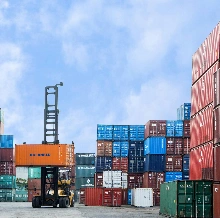
Fix the paperwork and HS code issues that cause holds, fines, and delays.

Choose air, ocean, or multimodal based on total cost and delivery reality.

Understand coverage, avoid claim failures, and document damage properly.

Prevent demurrage and detention by controlling time, release, and returns.
International logistics is the full system that moves goods across borders—from supplier pickup and export handling to international transport, customs release, and final delivery. It’s where routing decisions meet real constraints: airline capacity, vessel schedules, port cut-offs, inland transit, terminal handoffs, and last-mile appointments. Every shipment runs on coordination between shippers, consignees, carriers, freight forwarders, and warehouses—across time zones, service levels, and changing conditions.
The mechanics are not complicated, but they are unforgiving. Freight planning spans air, ocean, rail, road, and multimodal networks, with consolidation choices like LCL, FCL, and breakbulk shaping cost and handling risk. The “paperwork layer” is just as critical: Incoterms define responsibilities, while the commercial invoice, packing list, certificate of origin, permits, and transport documents like the Air Waybill or Bill of Lading must match each other exactly. When they don’t, the shipment becomes a target for holds, re-checks, and expensive delays.
Customs is the stress test. HS code logic, valuation, origin declarations, product descriptions, labeling, and compliance requirements determine how smoothly cargo clears. This is where many businesses discover that a cheap quote can turn into a costly problem: inspections, storage, release delays, and time-based charges like demurrage and detention start stacking up. The longer cargo sits at a terminal or depot, the more likely the shipment absorbs extra handling touches, damage risk, and administrative friction.
For importers and exporters, the real goal is predictable delivery with controlled total landed cost. That means choosing the right mode and service level, aligning buyer-seller responsibilities early, preparing clearance-ready documents before arrival, and protecting cargo with packaging standards and insurance that actually matches the exposure. When the process is repeatable—clean data, clear handoffs, tight timelines—international logistics stops being a constant firefight and becomes a real advantage: fewer disruptions, fewer disputes, better cashflow timing, and inventory that arrives when it’s supposed to.

A complete, practical overview of cross-border shipping—freight planning, documentation, customs, insurance, warehousing, and cost control from quote to delivery.
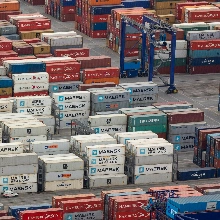
Understand Incoterms in real terms: cost split, risk transfer points, control of the main carriage, and the common mistakes that create disputes and surprise charges.
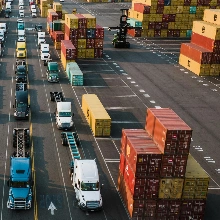
A decision framework to choose the right shipping mode based on urgency, cargo value, volume, capacity risk, routing options, and total landed cost—not just the headline rate.