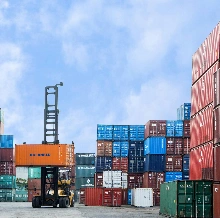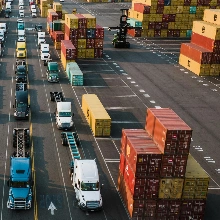
Demurrage and detention are not “random fees.” They are predictable charges triggered by time and process. When cargo sits too long at a terminal, a depot, or outside the port because paperwork, inspections, or trucking isn’t ready, the meter starts running. What makes these charges painful is that they often arrive after the freight invoice—so they feel like a surprise even though the cause was visible days earlier.
This guide explains how demurrage and detention actually work, why they happen, and what to standardize so you stop losing margin on the destination side.
Demurrage vs detention (simple definitions)
Both charges are time-based, but they apply to different parts of the container timeline.
- Demurrage: charges for keeping a container at the port/terminal beyond the allowed free time, typically after discharge and before pickup (or before release, depending on local practice).
- Detention: charges for keeping a container outside the terminal beyond the allowed free time, after you pick it up and before you return the empty container to the nominated depot.
You’ll also see related charges like storage, terminal handling, port service fees, container cleaning, and reefer monitoring for temperature-controlled cargo.
Why these fees exist (the operational logic)
Ports and terminals are designed for flow, not storage. Containers are meant to move through quickly: discharge, stack, release, pickup, gate-out. Demurrage and detention exist to discourage containers becoming long-term storage and to ensure equipment (containers) returns into circulation.
The result: if your documents, customs release, trucking, or warehouse booking is late, you pay.
The clock: what “free time” really means
Most demurrage and detention situations come down to misunderstanding free time. Free time is the number of “free days” allowed before charges apply. The rules differ by: carrier, terminal, port, destination country, container type, and whether the shipment is FCL or LCL.
Free time can be calculated in different ways (calendar days vs business days), and may start from different trigger points (discharge date, availability notice, or release date). If you don’t confirm the exact rule in writing, you’re guessing.
The real reasons demurrage and detention happen
The cause is usually not one single delay. It’s a chain. These are the most common triggers:
- Customs clearance delay: declaration errors, HS code disputes, valuation questions, missing permits
- Holds and inspections: document check, physical exam, quarantine/biosecurity screening
- Late release paperwork: missing delivery order, wrong consignee details, unpaid local charges
- Trucking capacity issues: peak season, driver shortages, appointment-based terminals
- Warehouse constraints: receiving slots, unloading labor shortages, lack of space
- Rolled cargo: vessel schedule changes or terminal congestion causing late availability
- Poor container return planning: depot restrictions, return location changes, empty container congestion
If clearance is frequently the weak point in your operation, tighten this first: customs clearance essentials.
FCL vs LCL: why LCL often creates “hidden time”
With FCL (Full Container Load), your container can often be picked up directly after release, subject to terminal availability. With LCL (Less than Container Load), your cargo typically goes through a deconsolidation warehouse (CFS), which adds extra steps: unpacking, sorting, and scheduling pickup. That additional handling can add time and charges.
If you’re choosing between FCL, LCL, or a blended mode, read: air vs ocean vs multimodal shipping.
Incoterms and “surprise fees”: who is supposed to pay?
Disputes over demurrage and detention often come from unclear responsibility splits. Incoterms defines a lot—but not always the local charge detail people assume. If the shipment terms are vague, both parties think the other side should pay the destination-side costs.
Before you ship, align who pays: terminal handling, documentation fees, delivery order fees, broker fees, storage, and time-based charges. If your team keeps arguing about “who pays what,” start here: Incoterms for shippers and buyers.
How to prevent demurrage and detention (the practical playbook)
You don’t solve these charges by negotiating harder after the fact. You solve them by building a release-and-pickup system. Use this operational playbook:
1) Get the release path clear before arrival
- Send documents early to your customs broker and forwarder
- Confirm consignee and notify party details match across invoice, packing list, and transport documents
- Pre-check permits, restricted goods requirements, and quarantine triggers
2) Confirm free time rules in writing
- Confirm how free days are counted (calendar vs business days)
- Confirm the trigger point (discharge, availability, or release)
- Confirm separate free time for demurrage and detention
3) Lock trucking and warehouse capacity
- Book trucking early if the terminal operates on appointment slots
- Confirm warehouse receiving windows and labor availability
- Plan for peak season or holiday periods that reduce capacity
4) Plan the empty return like it matters (because it does)
- Confirm the nominated empty return depot location
- Confirm depot opening hours and return restrictions
- Build buffer time for unloading and container cleaning
Cost control: the “total landed cost” view
Demurrage and detention are classic total landed cost leaks. Businesses often optimize the freight rate, then lose the savings on the destination side. A proper landed cost view includes: port/terminal charges, broker fees, storage, delivery appointments, and time-based penalties.
If you’re planning shipments with tight delivery windows or high-value cargo, also consider insurance readiness. A delay often increases handling touches and damage risk: cargo insurance and claims guidance.
If you’re already paying these fees: how to stop the cycle
If demurrage and detention keep repeating, treat it like a process failure, not a one-off. Use this approach:
- Identify the delay point: clearance, release paperwork, trucking, warehouse receiving, empty return
- Measure dwell time: days at terminal, days out of terminal, days to empty return
- Fix the upstream trigger: documents sent late, HS code disputes, missing permits, slow payment of local charges
- Standardize responsibilities: who pays what under your shipment terms
- Build a pre-arrival checklist: what must be completed before ETA
Key takeaways
- Demurrage is terminal time; detention is time outside the terminal with the container
- Free time rules vary—confirm them in writing for every route and carrier
- Most charges are caused by clearance delays, late releases, trucking capacity, and poor empty return planning
- Fix the system: pre-arrival documents, booked transport, warehouse readiness, and a defined release path